Why Is Regular Asbestos Detection Crucial for Employee Health Compliance?
November 16, 2025 · 3 min read
By Jeff Schroeder, Foster Special Instruments
Ensuring a safe and healthy work environment is crucial for both employers and employees. One of the key aspects of workplace safety, especially in older buildings, is the detection of asbestos. This FAQ aims to shed light on why regular asbestos detection is so important for maintaining compliance with health regulations and protecting the well-being of everyone in the workplace.
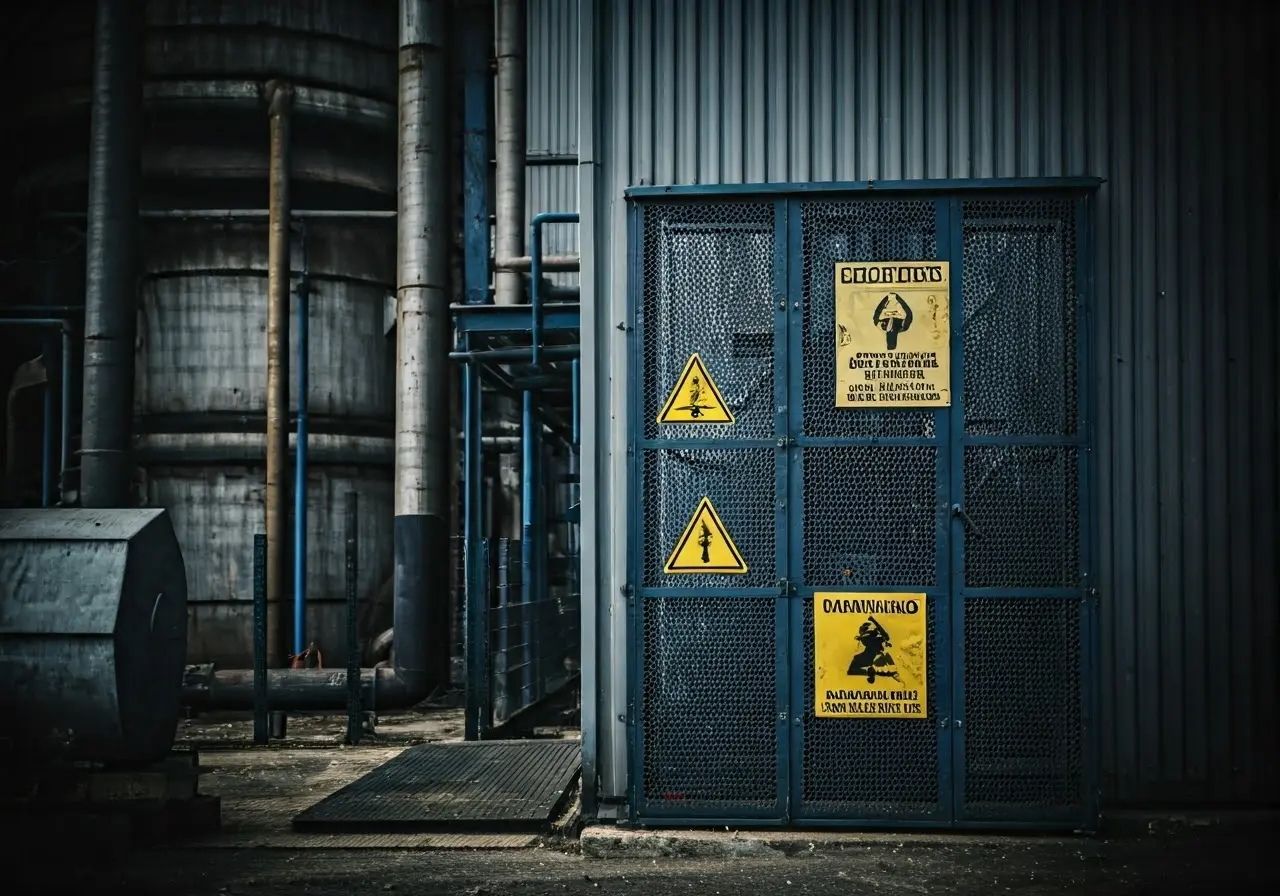
What is Asbestos and Why is it Dangerous?
Asbestos is a naturally occurring mineral that was once widely used in construction materials due to its fire-resistant properties. However, it is now known to pose serious health risks, including lung cancer and asbestosis, when fibers are inhaled.
The danger lies in the tiny fibers that can become airborne when asbestos materials are disturbed. Once inhaled, these fibers can lodge in the lungs and remain there for a long time, causing inflammation and leading to various respiratory diseases over time. This makes understanding and controlling asbestos exposure a critical aspect of occupational health.
Given its hazardous nature, it’s shocking to realize how prevalent asbestos was in buildings constructed before the 1980s. This is why knowing whether your building contains asbestos is the first step in ensuring safety.
How Does Asbestos Detection Work?
Asbestos detection involves testing suspected materials and air samples to identify the presence of asbestos fibers. Professional inspectors use specialized equipment and adhere to strict protocols to ensure accurate results.
Techniques such as PCM (Phase Contrast Microscopy) and TEM (Transmission Electron Microscopy) are commonly used to detect asbestos fibers. Each method has its advantages, with TEM offering more detailed analysis, albeit at a higher cost. These tools help in pinpointing the exact presence of asbestos, crucial for developing a suitable action plan.
Detection isn’t just about finding asbestos but also understanding its condition. Friable asbestos, which is more likely to release fibers into the air, poses a greater risk. Therefore, regular checks can help monitor the condition of asbestos-containing materials, ensuring any deterioration is promptly managed.
Why is Regular Detection Necessary?
Regular detection is essential as it ensures any potential asbestos risks are identified and mitigated before they become a health hazard. Buildings can degrade over time, making periodic checks vital to maintaining safety standards.
Over time, even non-friable asbestos can become friable due to mechanical disturbances or natural degradation. That’s why periodic inspections are not just recommended but necessary. They allow for timely interventions and prevent potential exposure.
Consistent monitoring helps in maintaining compliance with evolving health and safety regulations, minimizing the risk of hefty fines and ensuring a safe working environment for everyone.
What are the Compliance Requirements for Employers?
Employers are mandated by law to conduct asbestos risk assessments and manage any identified asbestos hazards. Compliance with these regulations helps protect employee health and avoid legal repercussions.
Beyond legal compliance, having a sound asbestos management plan also enhances the company’s credibility as a responsible employer. This includes clear labeling of asbestos-containing materials, employee training, and documentation of all assessments and actions taken.
Government agencies regularly update guidelines and legislation concerning asbestos management. This means keeping abreast of these changes and ensuring that your practices align with the most current requirements is crucial.
How Can Employers Ensure Safety from Asbestos Exposure?
To ensure safety, employers should implement an asbestos management plan, conduct regular training for employees, and schedule routine inspections to monitor and address any asbestos-related issues promptly.
Training employees not only raises awareness but also equips them with necessary skills to handle situations where asbestos exposure may occur. Knowing what actions to take can significantly reduce the risk of exposure.
It’s also crucial to collaborate with certified asbestos professionals for inspections and removal procedures. This ensures that all actions are safe and regulations are strictly followed, minimizing potential risks.
Commit to a Safer Workplace with Regular Asbestos Detection
Regular asbestos detection is more than just a legal obligation; it’s a commitment to the health and safety of every individual in the workplace. By understanding the risks and taking proactive steps towards detection and management, companies can create a safer, healthier environment that complies with health regulations and fosters trust among employees.
Foster runs occupational health compliance programs end to end — testing, calibration, training, and records.
Talk to our compliance teamRelated guides
New Hire Compliance Clocks: Starting OSHA and DOT Tracking on Day One
What starts ticking the moment a new employee is hired under OSHA and DOT rules, and why tracking those clocks from day one beats catching up later.
5 min read Read →OSHA ComplianceOne Employee, Five Compliance Clocks: Tracking Overlapping Renewal Cycles
A single employee can carry an annual audiogram, an annual fit test, a biennial DOT physical, and a five-year BAT refresher at once. Here's why spreadsheets lose track.
5 min read Read →OSHA ComplianceBuilding an Annual Occupational Health Testing Calendar
How to build a single calendar for annual audiograms, fit tests, BAT recerts, and calibrations so no due date gets discovered by an inspector first.
6 min read Read →