How Can Regular Equipment Calibration Enhance EHS Compliance?
November 4, 2025 · 3 min read
By Jeff Schroeder, Foster Special Instruments
Ensuring EHS (Environment, Health, and Safety) compliance is crucial for any organization. One key aspect of maintaining compliance is regular equipment calibration. In this FAQ blog, we’ll explore how regular calibration can significantly enhance your EHS compliance efforts.
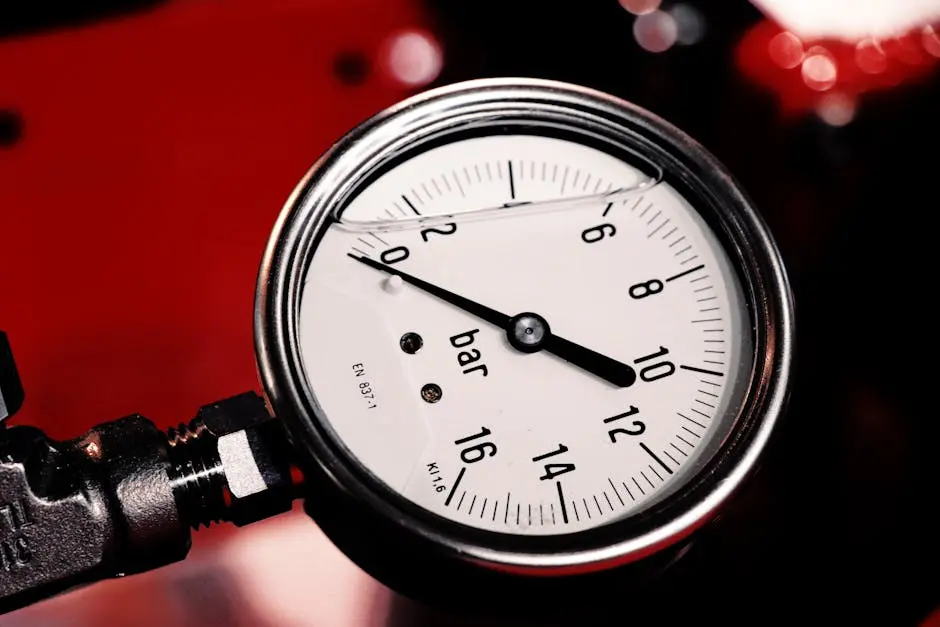
What is Equipment Calibration?
Equipment calibration involves adjusting and verifying the precise settings of various tools and machines to ensure their accuracy and performance. It’s fundamentally about ensuring that instruments give accurate results and function correctly.
In practice, calibration is conducted by comparing the measurements of an instrument or equipment with a known standard. This process is crucial because even slight deviations in measurement can lead to significant errors over time.
Calibration ensures that the tools used in production, quality assurance, and maintenance are functioning as expected, maintaining optimal performance. This practice boosts overall reliability and trust in the equipment’s data.
Why is Calibration Important for EHS Compliance?
Calibration ensures that equipment meets the required standards and specifications, which is critical for health and safety regulations. Accurate readings prevent potential hazards associated with equipment failures, contributing to safer work environments.
Moreover, in industries where precision is paramount, such as pharmaceuticals or food production, regular calibration is essential to ensure product quality and consumer safety, thereby aligning with EHS initiatives.
Regular calibration helps identify and mitigate risks before they become significant issues, safeguarding both employees and the environment from potential harm. This proactive approach is a cornerstone of effective EHS compliance.
In an era where corporate responsibility is under scrutiny, maintaining calibrated equipment aligns with a company’s commitment to safety and environmental stewardship—a key factor in enhancing brand reputation.
How Often Should Equipment Be Calibrated?
The frequency of equipment calibration can vary depending on the equipment type, usage, and manufacturer recommendations. Generally, a regular schedule, such as annually or biannually, helps maintain equipment accuracy and compliance.
Companies might also consider the environment in which their equipment operates. Equipment used in harsh conditions may require more frequent calibration to account for environmental stressors that could affect performance.
In industries where safety is critical, like aviation or healthcare, stringent calibration schedules are upheld. Such diligence not only supports EHS compliance but also enhances operational safety and reliability.
Adhering to manufacturer guidelines is crucial. These guidelines are developed based on extensive testing and ensure the equipment performs optimally throughout its lifecycle.
How Does Calibration Improve Operational Efficiency?
Accurate equipment minimizes downtime and increases productivity by preventing unexpected breakdowns or malfunctions. This operational efficiency directly supports EHS compliance by allowing consistent monitoring and control over safety and environmental standards.
With well-calibrated instruments, decisions based on data can be made with confidence, ensuring that operations remain within regulatory limits, thus avoiding potential fines and penalties.
Additionally, consistency in performance reduces waste generated from incorrect measurements, further supporting sustainable practices and improving resource management.
What Role Does Calibration Play in EHS Audits?
During EHS audits, well-maintained calibration records demonstrate compliance with regulations and standards. They provide proof that equipment is operating within safe and precise limits, which is essential for passing audits successfully.
These records act as a systematic documentation that not only show compliance with EHS guidelines but also reflect a company’s dedication to maintaining high safety standards.
Failure to produce accurate calibration records can lead to non-compliance findings, which might result in increased scrutiny from regulatory bodies, highlighting the importance of regular and well-documented calibration processes.
The Role of Regular Calibration in EHS Success
Regular equipment calibration is not just a technical requirement; it’s a crucial element in the broader EHS compliance strategy. By ensuring equipment accuracy, preventing failures, improving efficiency, and facilitating better audits, regular calibration supports a safer and more reliable operational environment. Committing to regular calibration schedules is a proactive step towards excellence in EHS compliance.
Foster runs occupational health compliance programs end to end — testing, calibration, training, and records.
Talk to our compliance teamRelated guides
New Hire Compliance Clocks: Starting OSHA and DOT Tracking on Day One
What starts ticking the moment a new employee is hired under OSHA and DOT rules, and why tracking those clocks from day one beats catching up later.
5 min read Read →OSHA ComplianceOne Employee, Five Compliance Clocks: Tracking Overlapping Renewal Cycles
A single employee can carry an annual audiogram, an annual fit test, a biennial DOT physical, and a five-year BAT refresher at once. Here's why spreadsheets lose track.
5 min read Read →OSHA ComplianceBuilding an Annual Occupational Health Testing Calendar
How to build a single calendar for annual audiograms, fit tests, BAT recerts, and calibrations so no due date gets discovered by an inspector first.
6 min read Read →