What Are the Benefits of OSHA Training for Employees?
November 16, 2025 · 2 min read
By Jeff Schroeder, Foster Special Instruments
OSHA training is an essential component of workplace safety and compliance. For many employers and employees, understanding the true value of this training can significantly impact workplace culture and overall safety. This FAQ will explore the key benefits of OSHA training for employees, making it easier to see why investing in safety training is crucial.
Enhancing Workplace Safety
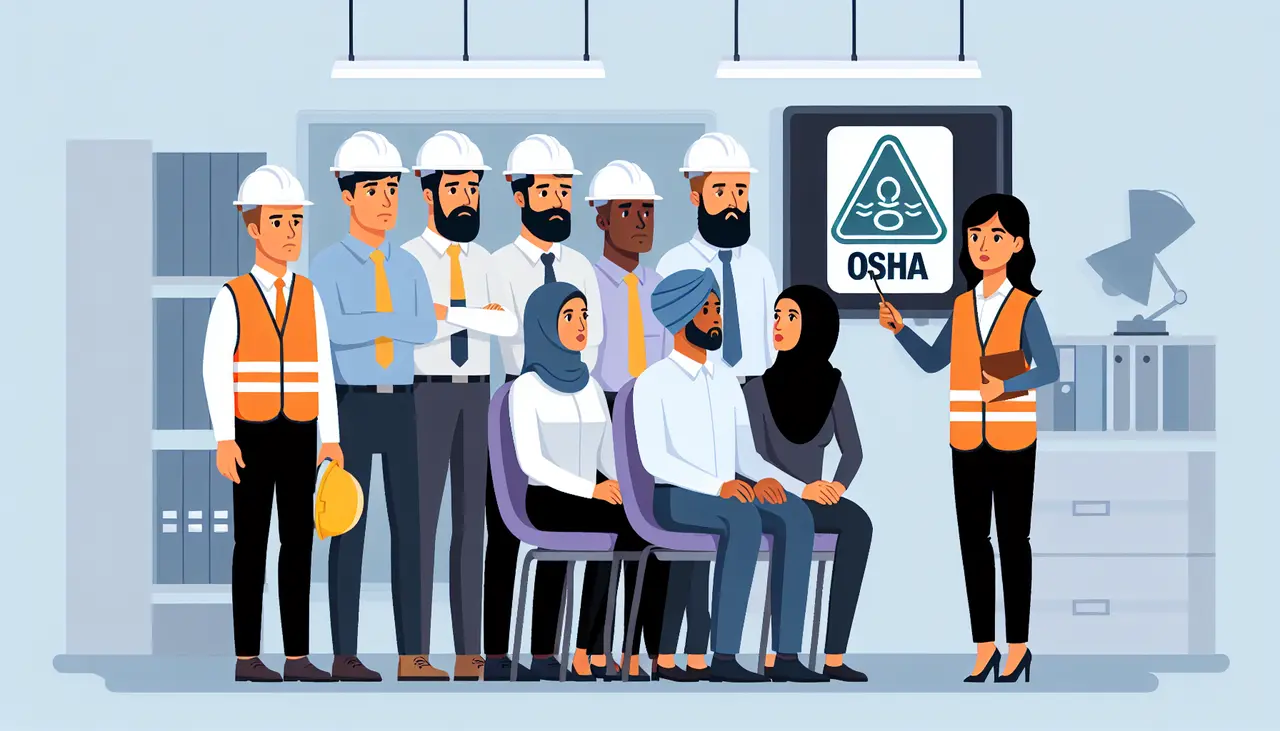
OSHA training equips employees with the necessary skills and knowledge to identify potential hazards and take preventive measures. This training focuses on ensuring that employees understand the safety protocols required to maintain a safe work environment.
Safety is not just about wearing protective gear or following processes—it’s about a mindset. Employees trained in OSHA guidelines tend to approach tasks with a stronger safety-first perspective. This proactive attitude significantly decreases the likelihood of incidents and promotes health-conscious behavior on and off the job.
Ensuring Legal Compliance
Compliance with OSHA standards is a legal requirement for many businesses. Through training, employees become familiar with federal safety regulations, reducing the risk of fines and legal issues for the business.
By regularly updating their training, employees and employers stay aligned with the latest regulations. The flexibility of OSHA programs allows companies to tailor the education to their specific industry needs which helps to streamline processes, increasing both efficiency and compliance.
Reducing Workplace Incidents
Training aids in minimizing the occurrence of accidents and injuries at work. When employees know how to handle equipment safely and recognize risks, the number and severity of incidents decrease significantly.
Statistics have shown that workplaces adhering to OSHA guidelines report lower accident rates. This isn’t just a numbers game—the real-world impact means fewer lives disrupted by injury and a strong indication of a safer work environment for everyone involved.
Boosting Employee Confidence and Morale
Employees who feel equipped to handle workplace hazards are generally more confident in their roles. This confidence translates into higher morale, as employees are assured of their own safety and the security measures in place.
Confidence in the workplace drives engagement and satisfaction. When employees perceive their environment to be safe and their worries acknowledged, they are more likely to remain motivated and invested in the company’s success, reducing turnover rates.
Improving Efficiency and Productivity
A safe work environment free from frequent interruptions caused by accidents allows employees to focus better on their tasks. This leads to enhanced productivity as less time is lost dealing with incidents.
Companies that invest in OSHA training often find a marked improvement in workflow efficiency. As downtime due to injury decreases, operations run smoother and deadlines are more consistently met, supporting an overall growth in productivity.
Conclusion: Embracing the Benefits of OSHA Training
In conclusion, OSHA training provides invaluable benefits to both employees and employers. By fostering a safer work environment, ensuring legal compliance, and promoting a culture of safety, businesses can enjoy reduced incidents while boosting employee morale and productivity. Embracing OSHA training is not just about compliance; it’s a commitment to the well-being and safety of everyone involved. Discover more about how you can integrate this training at Foster Instruments.
Foster runs occupational health compliance programs end to end — testing, calibration, training, and records.
Talk to our compliance teamRelated guides
New Hire Compliance Clocks: Starting OSHA and DOT Tracking on Day One
What starts ticking the moment a new employee is hired under OSHA and DOT rules, and why tracking those clocks from day one beats catching up later.
5 min read Read →OSHA ComplianceOne Employee, Five Compliance Clocks: Tracking Overlapping Renewal Cycles
A single employee can carry an annual audiogram, an annual fit test, a biennial DOT physical, and a five-year BAT refresher at once. Here's why spreadsheets lose track.
5 min read Read →OSHA ComplianceBuilding an Annual Occupational Health Testing Calendar
How to build a single calendar for annual audiograms, fit tests, BAT recerts, and calibrations so no due date gets discovered by an inspector first.
6 min read Read →