The Role of OSHA Training in Maintaining Workplace Compliance in Cincinnati
November 16, 2025 · 5 min read
By Jeff Schroeder, Foster Special Instruments
In Cincinnati, workplace safety is a priority for both employers and employees. Understanding the rules and regulations set forth by the Occupational Safety and Health Administration (OSHA) is essential in maintaining compliance and ensuring a safe work environment. OSHA training plays a critical role in educating all levels of staff about safety practices, reducing risks, and promoting a culture of safety. In this blog, we’ll explore how OSHA training contributes to workplace compliance and why it’s particularly important for businesses in Cincinnati.
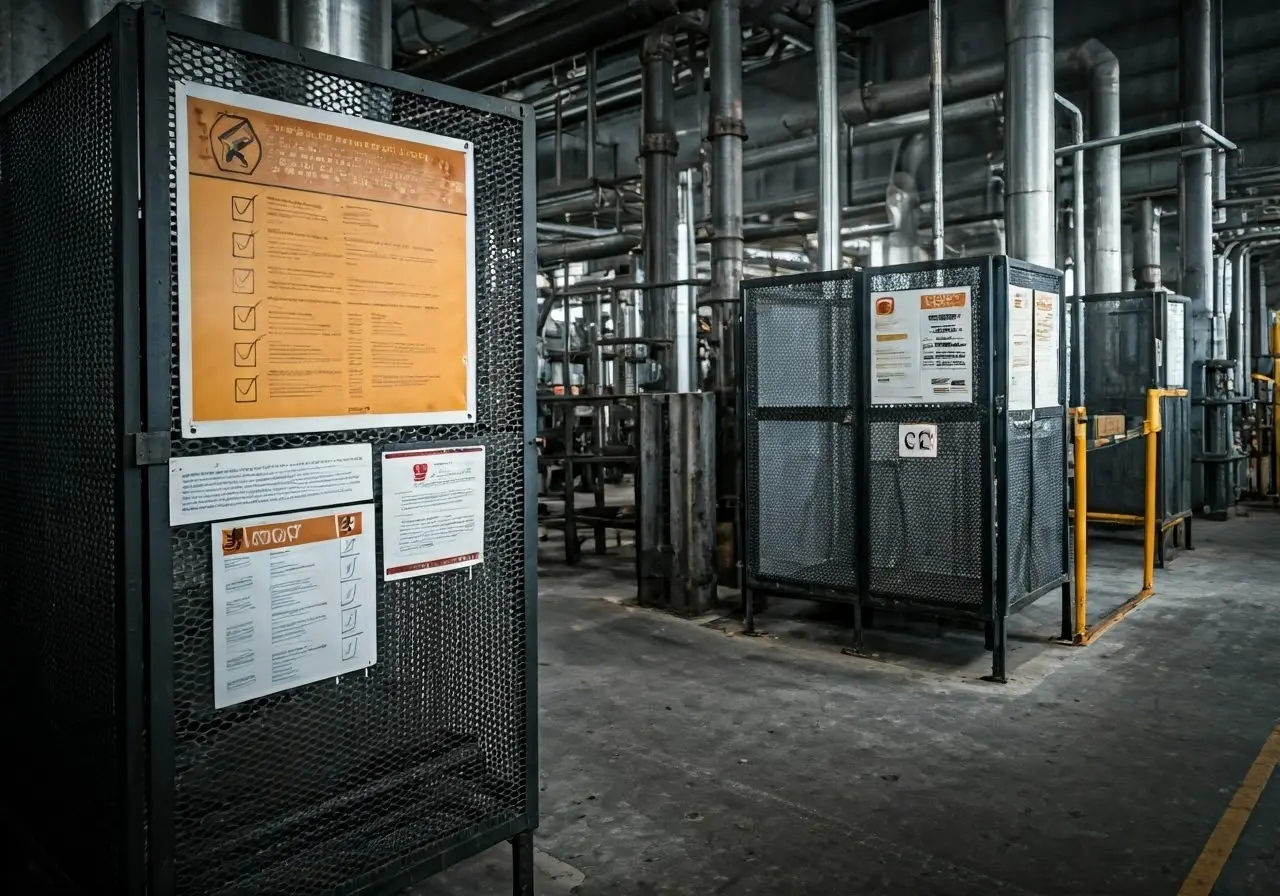
Understanding OSHA’s Role in Workplace Safety
The Occupational Safety and Health Administration (OSHA) is a federal agency dedicated to ensuring safe and healthy working conditions. By enforcing standards and providing training, OSHA helps reduce workplace hazards. Here, we’ll delve into OSHA’s role and its impact on workplace safety in Cincinnati.
OSHA’s mission to ensure safety and health in the workplace is achieved through several crucial activities. The agency conducts inspections and investigations to ensure compliance with regulations. These inspections are not merely about enforcement; they provide opportunities for businesses to understand areas of improvement in safety practices. For Cincinnati businesses, understanding OSHA’s role means recognizing both the supportive and supervisory aspects of the agency. By bridging gaps in safety knowledge through targeted OSHA training, companies can maintain adherence to regulatory requirements while fostering a safe workplace culture.
Moreover, OSHA provides resources and guidance that businesses can leverage to enhance their safety protocols. Beyond mere compliance, OSHA aims for workplaces to embrace a culture of safety excellence. In Cincinnati, this is particularly vital for industries characterized by manual labor and manufacturing. As workers are educated on their rights and responsibilities under OSHA regulations, they become proactive participants in their own safety. This empowerment, facilitated through effective training programs, underlines the collaborative intent of OSHA in making workplace safety a shared responsibility.
Why OSHA Training is Crucial for Cincinnati Businesses
Cincinnati has a diverse industrial landscape, making OSHA training incredibly important. Training ensures that businesses meet federal and state safety standards, reducing the risk of accidents and ensuring employee well-being. Let’s explore why Cincinnati businesses must prioritize this training.
Cincinnati’s economic fabric is woven with a variety of industries, from automotive manufacturing to logistics and healthcare. Each sector presents its own unique set of hazards that need to be addressed through OSHA training. For instance, manufacturing employees often deal with heavy machinery, making it imperative to understand safety protocols related to equipment handling. Similarly, healthcare workers must be aware of protocols around infection control and patient safety. Therefore, tailored OSHA training becomes crucial as it ensures that all personnel are equipped with the knowledge to manage sector-specific risks.
Additionally, OSHA training for Cincinnati’s businesses extends beyond individual safety. It helps organizations avoid potential financial penalties and liabilities that could arise from non-compliance. With regulations continually evolving, staying updated with OSHA requirements becomes a strategic business decision. By investing in ongoing employee training, companies can preempt fines and reduce the likelihood of costly workplace incidents. This proactive approach not only protects the organization’s bottom line but also promotes a positive and compliant company image.
Key Components of Effective OSHA Training
Effective OSHA training covers a variety of topics, from identifying hazards to understanding emergency procedures. Training should be comprehensive, engaging, and tailored to the specific needs of the workplace. We’ll look at the essential components that make OSHA training effective.
At the core of productive OSHA training is hazard recognition. Employees must be adept at identifying potential dangers in their work environments, whether they relate to chemical exposure, ergonomic risks, or mechanical hazards. By fostering a sense of vigilance, workers become the first line of defense against workplace accidents. In addition to hazard identification, incident response forms a critical part of training. Employees need to be familiar with the protocols for addressing emergencies, thereby minimizing panic and confusion during critical incidents.
Another key aspect of OSHA training is the adaptability of the content. Training programs should be regularly revised to integrate new safety regulations and emerging industry standards. This ensures that employees are not only compliant but also at the cutting edge of safety practices. Hands-on, interactive methods—such as drills and simulations—enhance learning and retention amongst employees. As Cincinnati companies embrace digital tools and technologies, incorporating e-learning modules into OSHA training can offer flexible and scalable options for continual safety education.
Adapting OSHA Training for Different Industries
Different industries in Cincinnati, such as construction and manufacturing, have unique safety challenges. OSHA training must be adapted to address industry-specific risks. We’ll discuss how training programs can be customized to suit the varied needs of Cincinnati’s industries.
Construction sites in Cincinnati often host a dynamic environment teeming with various activities and machinery. This industry requires robust OSHA training programs which are specifically tailored to address common risks such as falls, electrical hazards, and the safe operation of equipment. In contrast, the healthcare industry necessitates training focused on contagion control and patient care standards. The ability to customize OSHA training allows for industry-specific pitfalls to be addressed effectively, ensuring that all employees are prepared to handle the particular challenges of their work environment.
Furthermore, industry-specific OSHA training empowers employees with knowledge pertinent to their roles, resulting in a more confident workforce. By integrating role-based assessments and interactive learning experiences, training can address specific job functions with precision. For businesses in Cincinnati, this means not just meeting compliance but also exceeding it by cultivating a workforce that internalizes safety as a core value. As they become adept at recognizing and mitigating workplace risks, the chances of injuries and accidents diminish significantly.
The Benefits of Regularly Updated OSHA Training
Workplace safety regulations can change, making it essential for businesses to keep their training programs up-to-date. Regular updates ensure that employees are aware of the latest safety practices and compliance requirements. We’ll explore the benefits of maintaining current training programs.
In the fast-paced industrial environment of Cincinnati, falling behind on OSHA requirements can have dire consequences. Regular updates to OSHA training programs allow companies to swiftly incorporate new regulations and safety technologies. By doing so, they not only ensure compliance but also enhance overall safety protocols. Such proactive training strategies help prevent outdated practices that could expose employees to unnecessary risk—a benefit that extends to all operational levels within a business.
Maintaining an updated OSHA training program presents a dual advantage: it fortifies workplace safety and boosts employee morale. Employees who receive ongoing training are more likely to feel valued and cared for, which enhances job satisfaction and retention rates. Employers, in turn, benefit from reduced turnover and a stable, skilled workforce. As a result, Cincinnati businesses that prioritize up-to-date OSHA training can expect to see tangible improvements in both safety performance and employee engagement.
Final Thoughts on OSHA Training and Workplace Safety in Cincinnati
OSHA training is not just a box to tick but a vital investment in safety and compliance for Cincinnati workplaces. By equipping employees with the knowledge and skills needed to stay safe, businesses can reduce workplace incidents, avoid costly fines, and foster a positive work environment. Employers in Cincinnati should prioritize comprehensive OSHA training to ensure their workforce is well-prepared and their operations remain compliant.
Foster runs occupational health compliance programs end to end — testing, calibration, training, and records.
Talk to our compliance teamRelated guides
New Hire Compliance Clocks: Starting OSHA and DOT Tracking on Day One
What starts ticking the moment a new employee is hired under OSHA and DOT rules, and why tracking those clocks from day one beats catching up later.
5 min read Read →OSHA ComplianceOne Employee, Five Compliance Clocks: Tracking Overlapping Renewal Cycles
A single employee can carry an annual audiogram, an annual fit test, a biennial DOT physical, and a five-year BAT refresher at once. Here's why spreadsheets lose track.
5 min read Read →OSHA ComplianceBuilding an Annual Occupational Health Testing Calendar
How to build a single calendar for annual audiograms, fit tests, BAT recerts, and calibrations so no due date gets discovered by an inspector first.
6 min read Read →