10 Ways Safety Compliance Solutions Can Transform Your Workplace
January 8, 2026 · 5 min read
By Jeff Schroeder, Foster Special Instruments
In today’s fast-paced work environment, ensuring safety compliance is more crucial than ever. Not only does it protect employees, but it also enhances productivity and trust within the workplace. Let’s explore some ways safety compliance solutions can revolutionize your work environment.
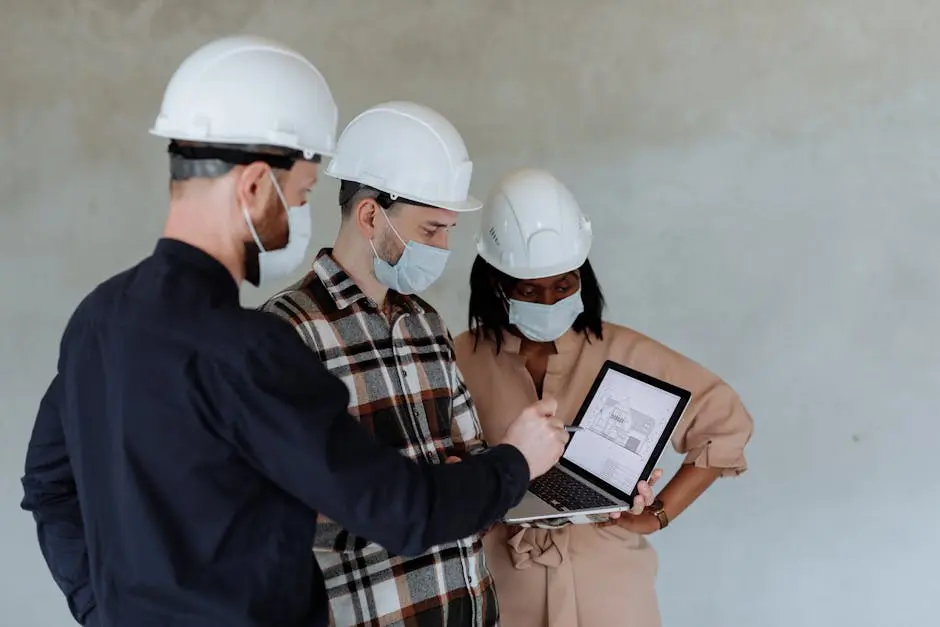
1. Boosting Employee Morale
When employees feel safe, their morale naturally improves. Safety compliance solutions ensure that there is a framework in place to protect everyone in the workplace, resulting in happier and more motivated teams.
Furthermore, when teams know that their company is investing in their safety, they feel more valued and appreciated. This translates into lower turnover rates and higher job satisfaction. Imagine walking into a workplace that consistently prioritizes your well-being — it’s a game-changer! With each advanced safety measure, trust between employees and management deepens, fostering a positive work atmosphere and collaborative effort. The value of workplace safety is immeasurable in maintaining employee happiness and productivity.
2. Reducing Workplace Accidents
Implementing robust safety protocols can significantly decrease the likelihood of accidents. This not only protects employees but also minimizes downtime and reduces costs associated with workplace injuries.
A proactive approach to safety compliance involves regularly updating safety measures based on current industry standards. This vigilance reduces the chance of accidents considerably. Since each accident can lead to considerable costs, both direct and indirect, having systems in place drastically affects a company’s bottom line. Furthermore, when employees see that their leadership is committed to maintaining safety standards, they are more likely to adhere to these practices and suggest improvements.
In essence, a safe work environment translates to fewer interruptions and a sustained level of productivity. Companies that frequently reassess their occupational safety measures are often those with the lowest rates of workplace accidents.
3. Enhancing Productivity
Safe environments enable employees to focus on their tasks without the distraction of potential hazards. This focus leads to greater productivity and efficiency across the board.
Beyond the absence of physical hazards, psychological safety is also a critical component of workplace productivity. When employees feel secure both physically and mentally, they are more willing to take calculated risks, innovate, and strive for excellence. It’s evident that a proactive safety culture encourages teams to excel and reach new heights in their performance.
The peace of mind that comes with knowing one is working in a safe environment cannot be overstated. It allows workers to channel their energy into their tasks, striving for innovation and efficiency without being held back by fears of potential accidents.
4. Ensuring Compliance with Regulations
Safety compliance solutions help businesses stay up to date with the latest regulations, reducing the risk of costly fines or legal issues that can arise from non-compliance.
Compliance is more than just a box to tick; it ensures that operations run smoothly and efficiently without legal hiccups. Staying informed about current health and safety regulations through tools such as compliance software and industry insights means a company is always prepared for audits and inspections.
Keeping on top of changing regulations requires an integrated approach, combining training, technology, and ongoing assessments. This proactive stance can save companies significant time and resources, protecting them from potential liability.
5. Building a Culture of Safety
Promoting safety in the workplace cultivates a culture where employees feel valued and cared for. This cultural shift benefits everyone and reinforces the company’s commitment to employee well-being.
A safety-centric culture doesn’t just happen overnight. It requires consistent communication, training, and reinforcement of safety protocols. When employees see safety as a core value, they are more engaged and committed. The integration of safety training programs ensures that every individual understands their role in maintaining a safe environment.
6. Streamlining Safety Training
With structured safety compliance solutions, onboarding and ongoing training become more efficient, ensuring that all employees are well-informed about safety practices.
Technology plays a significant role in modernizing safety training. Interactive e-learning modules, virtual simulations, and mobile apps make it possible for employees to engage with their training on their own time, reinforcing crucial concepts without taking them away from their work. By standardizing training across operations, it becomes much easier to ensure compliance and safety understanding at every level of the organization.
Furthermore, innovative training approaches allow for immediate tracking of training progress and certifications, ensuring that all team members are up-to-date on their safety knowledge.
7. Improving Communication Channels
Safety solutions often include tools that enhance communication, ensuring that vital information is relayed promptly and accurately to everyone in the organization.
Open communication is essential for both safety and efficiency. Solutions such as real-time messaging applications and digital safety bulletins ensure that no one is left in the dark about urgent updates or safety alerts.
By maintaining clear lines of communication, any potential hazards can be swiftly addressed, and employees can report safety concerns without fear of reprisal. This empowers teams to take initiative and contribute to a safer workplace.
8. Leveraging Technology for Safety
Utilizing modern technology as part of your safety compliance strategy can help monitor and assess risks in real time, providing a proactive approach to workplace safety.
From wearable tech that monitors worker health in real-time to drones that inspect hazardous areas, technology opens up a plethora of opportunities to enhance workplace safety. By employing the latest technological advances in safety compliance solutions, companies are better equipped to anticipate and mitigate potential issues before they escalate.
9. Fostering Innovation
A safe work environment encourages open communication and creative thinking, paving the way for innovative ideas and solutions across the workplace.
The freedom to innovate is often stifled in environments where employees feel constrained by safety concerns. By prioritizing compliance and safety, workers feel empowered to propose new ideas, implement novel processes, and improve existing systems. This results in not only immediate benefits to productivity but also long-term growth and development within the company.
10. Enhancing Reputation and Trust
A strong safety record builds trust with clients and partners, enhancing the overall reputation of the company as a responsible and reliable entity.
When a company invests in safety compliance, it sends a strong message both internally and externally. Clients and partners prefer to associate with organizations that demonstrate a commitment to best practices, as it reflects reliability and professionalism. A reputation for maintaining high safety standards often leads to increased business opportunities and a strengthened market position.
Moreover, employees are more likely to feel loyal to a company that consistently puts their safety first. This loyalty can result in a strong, cohesive team that is dedicated to the company’s success.
Foster runs occupational health compliance programs end to end — testing, calibration, training, and records.
Talk to our compliance teamRelated guides
New Hire Compliance Clocks: Starting OSHA and DOT Tracking on Day One
What starts ticking the moment a new employee is hired under OSHA and DOT rules, and why tracking those clocks from day one beats catching up later.
5 min read Read →OSHA ComplianceOne Employee, Five Compliance Clocks: Tracking Overlapping Renewal Cycles
A single employee can carry an annual audiogram, an annual fit test, a biennial DOT physical, and a five-year BAT refresher at once. Here's why spreadsheets lose track.
5 min read Read →OSHA ComplianceBuilding an Annual Occupational Health Testing Calendar
How to build a single calendar for annual audiograms, fit tests, BAT recerts, and calibrations so no due date gets discovered by an inspector first.
6 min read Read →