Understanding the Role of Safety Footwear in Promoting Employee Well-being
November 16, 2025 · 4 min read
By Jeff Schroeder, Foster Special Instruments
Safety footwear is a vital component across various industries, often overlooked despite its key role in ensuring employee wellness. In this blog post, we’ll explore how the right pair of safety boots or shoes can make a substantial difference in workplace safety and employee satisfaction.
The Importance of Safety Footwear in the Workplace
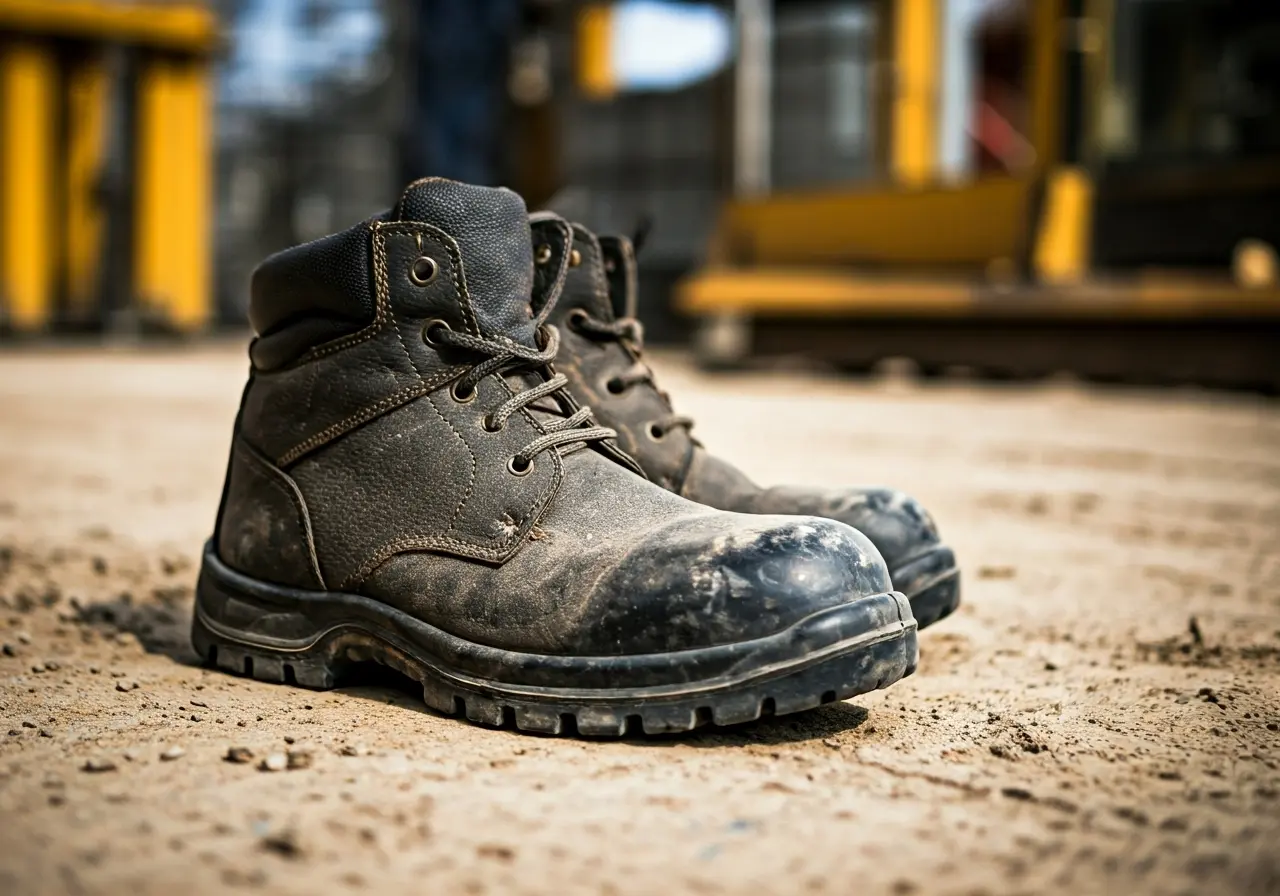
Safety footwear serves as a fundamental tool for protecting employees against common hazards such as slips, falls, and sharp objects. This type of footwear can prevent serious injuries and even save lives, showcasing its importance in maintaining workplace safety.
Implementing the right safety footwear is an expression of an organization’s commitment to its employees’ well-being and safety. It provides a first line of defense against workplace hazards and plays a crucial role in reducing liability for the company. Furthermore, safety footwear is often a requirement under various health and safety regulations, meaning that compliance not only protects employees but also shields the organization from potential legal consequences.
Moreover, the significance of safety boots in extreme environments, such as icy or wet conditions, cannot be understated. Shoes equipped with slip-resistant soles are critical in preventing slips and falls, which according to recent studies, are one of the leading causes of workplace injuries. By investing in quality safety footwear, companies can significantly decrease the number of related incidents, thus securing a safer work environment.
Common Hazards That Require Safety Footwear
Understanding the specific risks faced in different work environments is crucial. From construction sites with heavy objects to service industries with slippery floors, identifying these hazards helps determine the appropriate safety footwear for each scenario.
In construction, footwear with steel or composite toes is vital to protect against the risk of falling objects. In industries dealing with chemical substances, it’s important to opt for footwear made from materials that are resistant to chemical spills and provide full coverage to avoid contact. Similarly, industries like food service prioritizing slip resistance due to wet or greasy floors require specialized soles designed to boost traction and stability.
Additionally, electrical hazards are common in certain work environments, where employees must wear shoes designed to protect against electrical shocks. Electrically resistant footwear is crucial for workers who are exposed to live wires or operate machinery connected to electricity, reducing the risk of fatal injuries in case of accidents. Hence, understanding these hazards is beneficial for selecting the ideal safety footwear.
Choosing the Right Safety Footwear
Selecting proper safety footwear involves considering factors like material, design, and safety features. This ensures maximum protection, comfort, and adherence to industry regulations, enhancing overall employee well-being.
To assist in choosing, companies should assess the specific needs of their workers. Materials like leather or synthetic blends can offer varying degrees of durability and protection based on the work setting. The design of safety footwear, whether boots or shoes, must align with the kind of work conducted. Features like puncture-resistant soles and waterproof linings are also significant, particularly in industrial work environments where such threats are prevalent.
Lastly, the importance of selecting appropriately sized footwear cannot be overstated. Poor fit can lead to discomfort, blistering, or even exacerbate existing foot conditions—undermining the foot protection objective. Guidelines on ergonomic footwear design emphasize ensuring that every employee gets their shoes correctly fitted. Providing a comfortable fit is pivotal, as these are the tools workers rely on throughout their day.
Impact of Safety Footwear on Employee Comfort
Comfortable safety footwear reduces fatigue and enhances productivity. Employees who feel at ease in their work shoes are more focused and less prone to aches and injuries, making comfort a crucial aspect of employee well-being.
Comfort goes beyond just physical ease—it also affects mental well-being. Workers who aren’t distracted by discomfort are more engaged in their tasks. By reducing fatigue and strain on the feet and back, high-quality safety footwear supports longer periods of productive work. This is especially important in roles requiring prolonged standing or intense physical labor. Through addressing the comfort needs of the workforce, companies can improve employee satisfaction and retention.
Furthermore, advancements in footwear technology have opened up new opportunities to enhance wearer comfort. Innovations in materials and shoe construction techniques now offer memory foam cushioning, breathable fabrics, and advanced insoles that cater to various foot arch types, directly addressing the diverse comfort needs across a workforce.
The Connection Between Safety Footwear and Employee Morale
When employees recognize their employer’s commitment to safety, it boosts morale and job satisfaction. Providing quality safety footwear demonstrates a genuine care for employee health, leading to improved job performance and loyalty.
Moreover, investing in high-standard safety gear fosters a sense of trust between the employer and workforce. Knowing that management prioritizes their safety needs beyond just regulatory compliance cultivates a supportive work culture. Consequently, employees feel valued, which can translate into increased motivation and reduced turnover. This investment in employee welfare symbolizes forward-thinking leadership, reinforcing positive employer branding.
At the same time, this investment often catalyzes an open culture of safety awareness. Companies that actively engage workers in safety discussions and programs tend to cultivate environments where employees are less hesitant in reporting hazards or suggesting improvements, contributing to a collaborative effort in maintaining workplace safety.
Investing in Safety Footwear for a Healthier Workforce
Safety footwear is more than just a requirement; it’s an investment in the well-being and efficiency of your workforce. By prioritizing protection and comfort, businesses can foster a healthier and happier work environment, ultimately leading to better performance and reduced workplace injuries.
Foster runs occupational health compliance programs end to end — testing, calibration, training, and records.
Talk to our compliance teamRelated guides
New Hire Compliance Clocks: Starting OSHA and DOT Tracking on Day One
What starts ticking the moment a new employee is hired under OSHA and DOT rules, and why tracking those clocks from day one beats catching up later.
5 min read Read →OSHA ComplianceOne Employee, Five Compliance Clocks: Tracking Overlapping Renewal Cycles
A single employee can carry an annual audiogram, an annual fit test, a biennial DOT physical, and a five-year BAT refresher at once. Here's why spreadsheets lose track.
5 min read Read →OSHA ComplianceBuilding an Annual Occupational Health Testing Calendar
How to build a single calendar for annual audiograms, fit tests, BAT recerts, and calibrations so no due date gets discovered by an inspector first.
6 min read Read →