How Safety Footwear Contributes to OSHA Compliance
March 19, 2026 · 5 min read
By Jeff Schroeder, Foster Special Instruments
In workplaces across various industries, ensuring employee safety is a top priority. One often-overlooked aspect of workplace safety is the footwear employees wear. Safety footwear plays a crucial role in meeting Occupational Safety and Health Administration (OSHA) compliance. In this blog, we will explore how the right safety footwear can enhance workplace safety, aid in OSHA compliance, and ultimately create a safer environment for everyone.
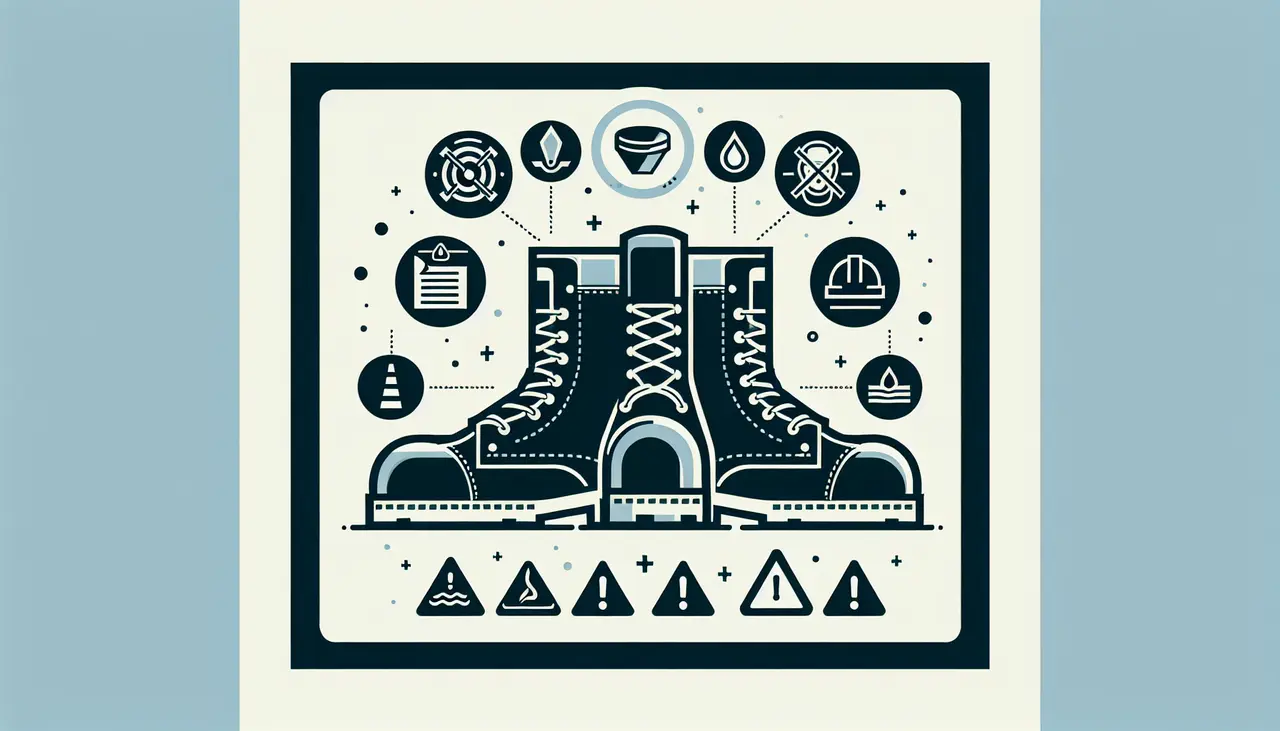
Understanding OSHA Standards for Footwear
To appreciate the role of safety footwear in OSHA compliance, one must first understand the relevant standards set by OSHA regarding personal protective equipment (PPE) and footwear. This section will delve into the specific regulations regarding safety footwear and why they matter.
OSHA guidelines specify that employers are responsible for providing appropriate PPE, and this includes footwear that meets certain safety specifications. The regulations detail the minimum requirements for safety-toe protection, puncture resistance, and electrical hazard awareness, among others.
In addition to meeting standards, it’s essential for both employers and employees to recognize the significance of these regulations. Understanding why these standards exist can foster a culture of safety within the workplace. For instance, knowing that safety footwear can prevent serious injuries develops a shared commitment to compliance.
Moreover, having a comprehensive grasp of OSHA’s footwear standards can eliminate confusion when choosing safety footwear for employees. This leads to better decisions regarding the right type of footwear suited to the specific hazards faced on the job. Keeping abreast of updates to the guidelines is equally important, as regulations can change.
The Importance of Safety Footwear in the Workplace
Safety footwear protects employees from various hazards like falling objects, sharp surfaces, and slippery floors. This section will discuss how these shoes not only prevent injuries but also enhance overall productivity and morale among workers.
The primary purpose of safety footwear is clear: it shields feet from hazards. However, the impact of wearing proper footwear goes beyond injury prevention. Employees who feel safe and secure are more likely to focus on their work rather than worrying about potential injuries. This reassurance can significantly boost productivity.
Additionally, when safety footwear becomes an integral part of the workplace culture, it promotes accountability and responsibility among team members. Workers often appreciate their employers’ efforts to provide the right protective gear, thus increasing their job satisfaction and morale.
In industries such as construction or manufacturing, where foot injuries are a common occurrence, safety footwear can mean the difference between a minor inconvenience and a life-changing event. The right shoes aren’t just a luxury; they are an essential investment in employee welfare.
Ultimately, safety footwear is a fundamental component of a comprehensive safety strategy. When employees are adequately equipped, they can work with confidence, knowing that their safety is prioritized, leading to lower accident rates and fostering a culture of safety within the workplace.
Key Features of Effective Safety Footwear
Not all protective footwear is created equal. Here, we will highlight the essential features that safety footwear should possess, including slip resistance, steel toe protection, and waterproofing, ensuring that employees have the best protection in their work environments.
One of the most critical features of safety footwear is the slip-resistant sole. In workplaces where spills or slick surfaces are common, having footwear that provides good traction is vital. Slips and falls are among the leading causes of workplace accidents, making slip resistance a non-negotiable feature.
Steel toe protection is another key component that can save lives. These reinforced shoes shield workers’ toes from heavy objects that could accidentally fall. Employees in settings such as warehouses or construction sites can particularly benefit from this feature, as it offers peace of mind while performing physically demanding tasks.
Waterproofing is equally important, especially in industries where workers are exposed to wet conditions. Wet feet can lead to discomfort and distractions, which can ultimately diminish productivity. By choosing shoes with waterproof materials, employers not only protect their employees but also contribute to their overall job satisfaction.
Finally, comfort cannot be overlooked. Effective safety footwear should combine protection with comfort to ensure that employees can wear them throughout the day without discomfort. Shoes that cause pain can lead to distractions and decreased productivity, defeating the purpose of protective attire.
Selecting the Right Safety Footwear for Your Team
Choosing the appropriate safety footwear can be overwhelming with so many options available. This section will guide employers on how to select the right footwear based on the specific risks of their industry and work environment.
Start by assessing the specific hazards present in your workplace. Different jobs expose workers to different types of risks, and understanding these dangers is crucial for selecting suitable footwear. For example, if employees are frequently exposed to chemicals, shoes with chemical resistance may be necessary.
Consulting with employees can also prove invaluable. Workers are often the best source of information regarding the conditions they face daily. Seek their feedback on what features they find beneficial or lacking. This collaborative approach enhances workplace safety and shows workers that their comfort and safety are paramount.
Another vital consideration is ensuring the proper fit. Ill-fitting shoes can lead to discomfort and decreased focus on the job, which can lead to accidents. Providing a range of sizes and styles can help accommodate the diverse feet of your workforce.
Finally, make sure you stay up-to-date with the latest advancements in safety footwear technology. Innovations that enhance safety and comfort are continually emerging. By choosing the latest and greatest options, employers can offer their staff the best protection available.
Training and Compliance: Making Safety Footwear a Priority
Achieving OSHA compliance isn’t just about providing safety footwear; it’s also crucial to train employees effectively on its importance and use. This section will discuss how to implement training sessions to emphasize the value of safety footwear in workplace safety.
To foster a culture of safety, training should not be a one-time event but an ongoing process. Regular training sessions can ensure that new hires understand the importance of wearing safety footwear from day one, while also giving seasoned employees a refresh on best practices.
Utilizing engaging materials during training can keep employees interested and informed. Consider using demonstrations, videos, and even testimonials from other employees who have experienced the benefits of safety footwear firsthand. Providing real-life scenarios can make the risks more relatable and highlight the necessity of compliance.
Additionally, having safety champions within each department can reinforce the importance of using safety footwear properly. These designated individuals can act as role models and encourage peers to prioritize their safety gear, making compliance a shared responsibility.
Ultimately, safety training is an investment in your workforce’s well-being. When employees understand why safety footwear is crucial and how to use it correctly, they are more likely to embrace safety measures and contribute positively to the overall safety culture in the workplace.
Putting Safety First
Investing in the right safety footwear is not just a good practice—it’s an essential part of maintaining OSHA compliance and protecting your workforce. By understanding the standards, benefits, and best options available, employers can ensure their employees remain safe and compliant while on the job. Let’s prioritize safety—one step at a time!
Foster runs occupational health compliance programs end to end — testing, calibration, training, and records.
Talk to our compliance teamRelated guides
New Hire Compliance Clocks: Starting OSHA and DOT Tracking on Day One
What starts ticking the moment a new employee is hired under OSHA and DOT rules, and why tracking those clocks from day one beats catching up later.
5 min read Read →OSHA ComplianceOne Employee, Five Compliance Clocks: Tracking Overlapping Renewal Cycles
A single employee can carry an annual audiogram, an annual fit test, a biennial DOT physical, and a five-year BAT refresher at once. Here's why spreadsheets lose track.
5 min read Read →OSHA ComplianceBuilding an Annual Occupational Health Testing Calendar
How to build a single calendar for annual audiograms, fit tests, BAT recerts, and calibrations so no due date gets discovered by an inspector first.
6 min read Read →