Keeping Cincinnati Workspaces Safe: The Role of Toxic Gas Monitoring
April 16, 2026 · 5 min read
By Jeff Schroeder, Foster Special Instruments
In the bustling city of Cincinnati, ensuring that our workspaces are safe and healthy is more crucial than ever. Toxic gas monitoring plays a vital role in protecting workers from harmful exposures, and understanding its impact can help create a safer environment for everyone. This blog will explore what toxic gas monitoring is, its importance, and how it contributes to workplace safety in Cincinnati.
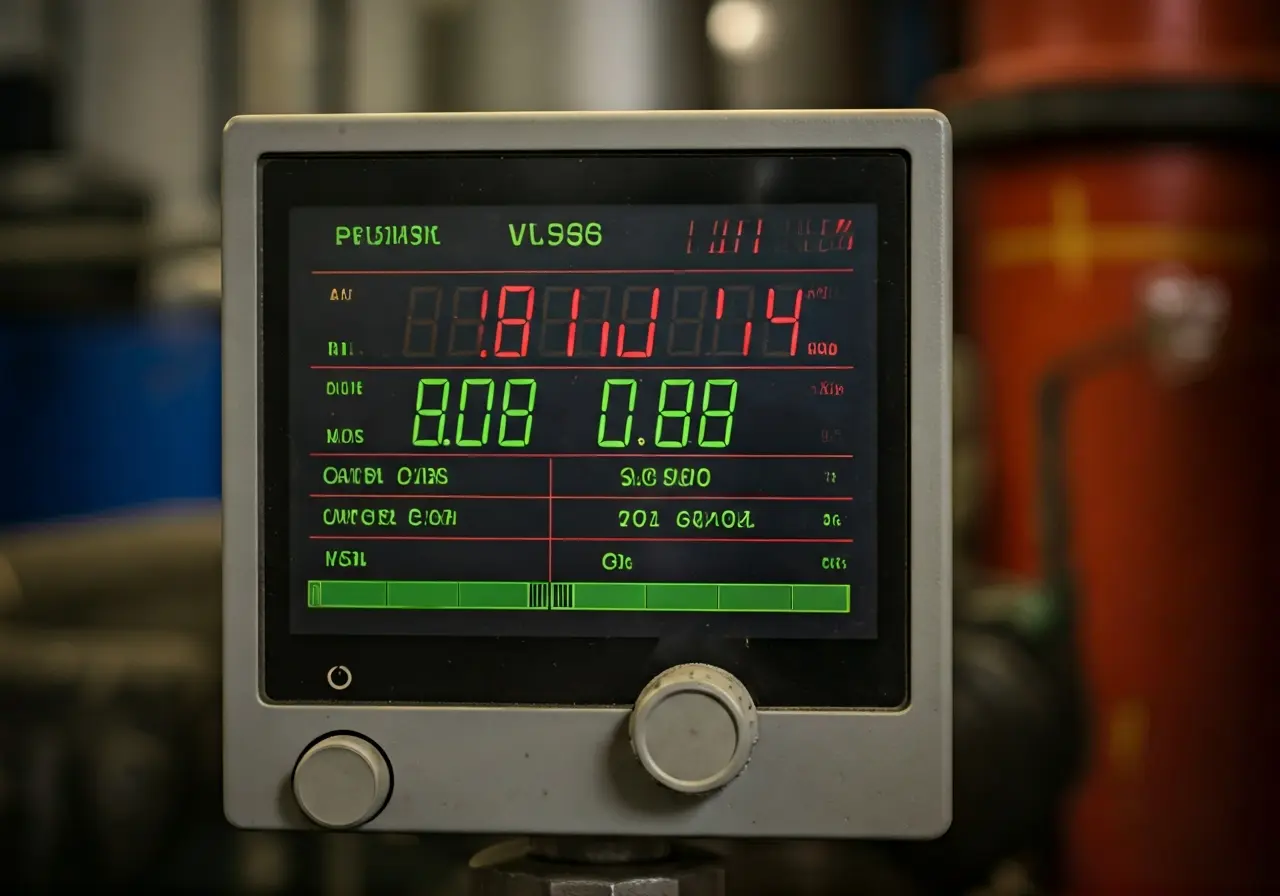
Understanding Toxic Gases in the Workplace
Toxic gases can be found in various industries, from manufacturing to laboratories. It’s essential to recognize the most common types of toxic gases and their potential health impacts. This section will delve into what these gases are and how they infiltrate our workspaces.
When we think of workplace hazards, we often picture heavy machinery or slippery floors. However, toxic gases quietly pose significant risks that are easy to overlook. Common culprits include carbon monoxide, ammonia, and formaldehyde. Each of these gases has unique properties and effects on human health, making it imperative for employers and employees alike to be aware of their presence and potential dangers.
For instance, carbon monoxide is known as the “invisible killer” because it is colorless and odorless, and its effects can be deadly. Prolonged exposure, even at low levels, can result in fatigue, headaches, and more severe health issues. Understanding how these gases seep into the work environment—through malfunctioning equipment, improper ventilation, or chemical reactions—sets the stage for the essential conversation on monitoring solutions.
The Importance of Toxic Gas Monitoring
Monitoring toxic gases is critical for preventing workplace accidents. This segment will discuss the pivotal role that gas detection systems play in safeguarding employees and ensuring compliance with health and safety standards.
Without proper gases monitoring, workplaces not only put employees at risk but can also face hefty fines due to regulatory non-compliance. Gas detection systems provide peace of mind; they act as the first line of defense, alerting teams to dangerous concentrations before the situation escalates. Installation of these systems is not merely a choice—it’s a necessity in today’s safety-conscious climate.
Additionally, having a robust monitoring system reinforces a culture of safety within the organization. Employees feel valued and protected when they know their wellbeing is a priority, which can lead to improved morale and productivity. Engaging in proactive measures demonstrates that a company is committed to best practices, thereby enhancing its reputation within the community and the industry at large.
How Toxic Gas Monitoring Works
Understanding the technology behind toxic gas monitoring can demystify the process. This section will explain various detection methods, how sensors function, and the importance of regular maintenance and calibration.
At the heart of a gas monitoring system lies a collection of sophisticated sensors designed to detect specific gases. These sensors work by recognizing changes in chemical composition and air quality. Techniques such as electrochemical sensing and infrared technology provide accurate and timely data. When integrated effectively, these systems not only identify the presence of harmful gases but also help in measuring their concentrations.
Moreover, it’s not just about the technology; it’s about the people utilizing it. Regular training and familiarity with monitoring equipment are crucial for successful implementation. Teams need to understand how to interpret the readings, respond appropriately to alerts, and maintain the systems properly. Regularly scheduled maintenance and calibration ensure that the equipment operates at peak efficiency, a practice that shouldn’t be overlooked.
Best Practices for Implementing Gas Monitoring Systems
Implementing effective toxic gas monitoring involves more than just installing detectors. This section will outline best practices for selection, installation, employee training, and regular system checks to ensure optimal performance.
Choosing the right gas monitoring system starts with understanding the specific needs of your workspace. Each environment has its unique challenges; hence, what works for one may not work for another. Consulting with experts can help tailor the solutions to your requirements, ensuring that all probable occurrences are covered. Moreover, what good is a detector if it’s not placed strategically? Thoughtful positioning can significantly affect its effectiveness.
Furthermore, involving employees in the training process strengthens the program. When workers are educated about the risks associated with toxic gases and the importance of monitoring, they become champions of safety. Regular drills and discussions create a proactive rather than reactive culture, fostering an atmosphere where safety is prioritized at every level.
Real-Life Case Studies: Success Stories in Cincinnati
Learn from local Cincinnati businesses that have successfully integrated toxic gas monitoring into their safety protocols. These real-life examples will showcase the positive outcomes of diligent monitoring practices.
Taking a closer look at a construction company in the heart of Cincinnati, we can see the transformative power of gas monitoring. After integrating a comprehensive gas detection system, they reported a dramatic reduction in both accidents and health-related absences. Workers felt more secure on-site, knowing that protective measures were actively in place.
Similarly, a manufacturing plant implemented rigorous monitoring alongside training programs for staff. As a result, they not only complied with industry regulations but also fostered a culture that emphasized responsibility and vigilance. Employees took ownership of their safety and that of their colleagues, showcasing how effective monitoring can enhance the workplace atmosphere as a whole.
Future Trends in Toxic Gas Monitoring
As technology advances, so does the field of toxic gas monitoring. This section will explore emerging technologies and future trends that can enhance safety in workplaces across Cincinnati.
Exciting advancements are on the horizon in the realm of gas monitoring technology. Developments in IoT (Internet of Things) capabilities are enabling real-time data sharing, allowing businesses to monitor environmental conditions like never before. This connectivity means issues can be addressed instantly, minimizing the potential for accidents.
Moreover, the integration of artificial intelligence in monitoring systems is set to transform safety protocols. Imagine a system that not only alerts you to a potential gas leak but also analyzes patterns and predicts possible future risks based on historical data. Such innovations could redefine how we approach workplace safety, encouraging a more proactive mindset that prioritizes prevention.
Conclusion: Safeguarding Our Workplaces
Toxic gas monitoring is not just a safety requirement; it’s a vital component of maintaining a healthy work atmosphere. By prioritizing these measures, Cincinnati businesses can protect their employees, comply with regulations, and promote a culture of safety and well-being.
Foster runs occupational health compliance programs end to end — testing, calibration, training, and records.
Talk to our compliance teamRelated guides
New Hire Compliance Clocks: Starting OSHA and DOT Tracking on Day One
What starts ticking the moment a new employee is hired under OSHA and DOT rules, and why tracking those clocks from day one beats catching up later.
5 min read Read →OSHA ComplianceOne Employee, Five Compliance Clocks: Tracking Overlapping Renewal Cycles
A single employee can carry an annual audiogram, an annual fit test, a biennial DOT physical, and a five-year BAT refresher at once. Here's why spreadsheets lose track.
5 min read Read →OSHA ComplianceBuilding an Annual Occupational Health Testing Calendar
How to build a single calendar for annual audiograms, fit tests, BAT recerts, and calibrations so no due date gets discovered by an inspector first.
6 min read Read →