Toxic Gas Monitoring: Essential Tips for Cincinnati Workplaces
November 16, 2025 · 3 min read
By Jeff Schroeder, Foster Special Instruments
In the bustling workplaces of Cincinnati, safety is a top priority. Toxic gases pose a significant risk to workers, making it essential for businesses to monitor and manage any potential exposure. This guide will explore key tips and strategies for effective toxic gas monitoring, ensuring a safer and healthier working environment.
Understanding the Dangers of Toxic Gases
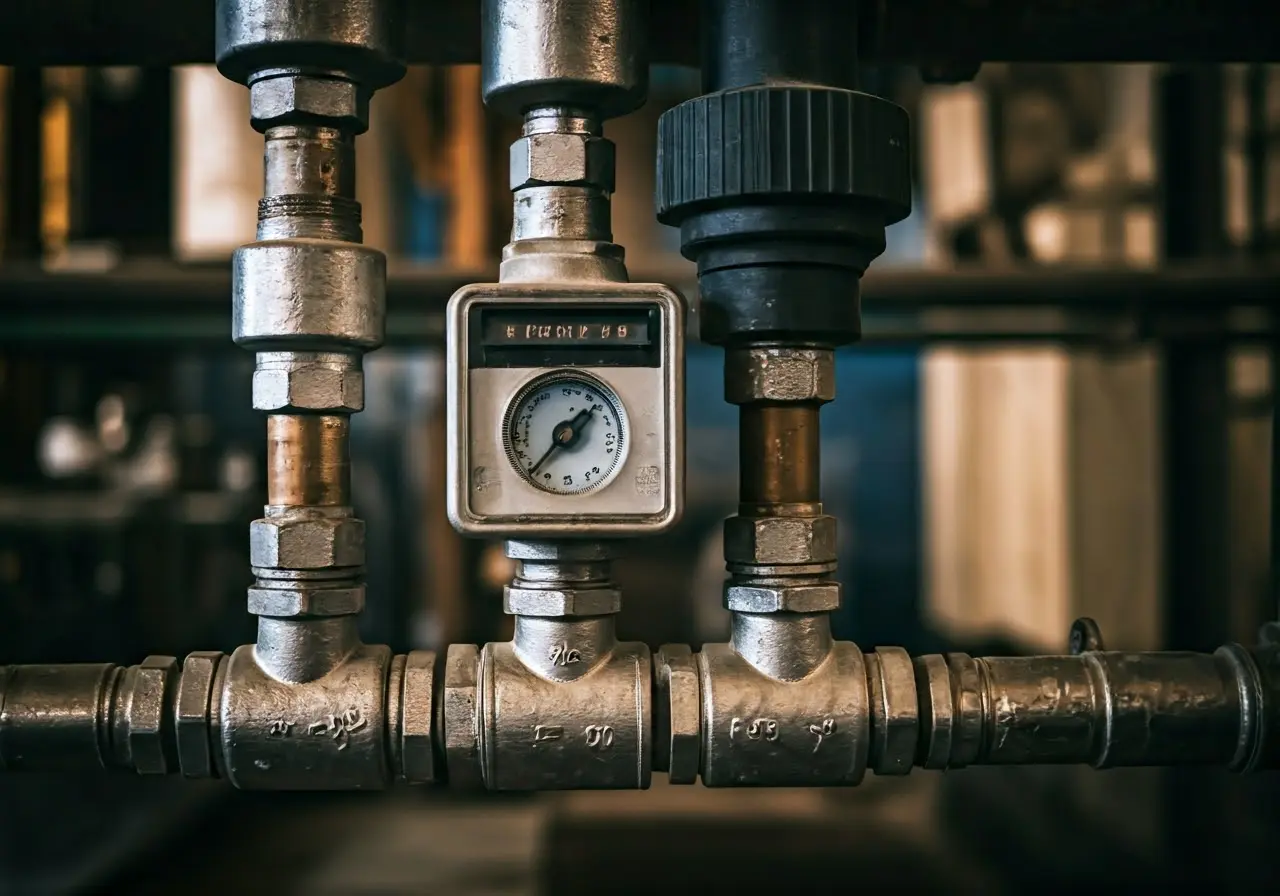
Toxic gases can be present in various forms and concentrations. Recognizing these dangers is the first step to ensuring a safe workplace. From carbon monoxide to hydrogen sulfide, understanding their specific risks is essential for effective monitoring.
Carbon monoxide, often known as the ‘silent killer,’ is colorless and odorless, making its detection crucial in industries like manufacturing and automotive repairs where fuel combustion occurs. Hydrogen sulfide is notorious for its rotten egg smell, but at high concentrations, it can quickly overwhelm the ability to detect it by scent alone. Both gases demand vigilant monitoring to prevent acute health effects such as headaches, dizziness, or even fatal outcomes with high exposure.
Additionally, environments like chemical plants and wastewater facilities may encounter ammonia—a gas with abrasive respiratory effects. It’s crucial to assess which gases are more likely in specific workplaces. For example, decentralized monitoring strategies could prove beneficial in settings where multiple gases are in potential circulation. This effort to identify and understand toxic gases emphasizes preparedness and protection, empowering workplaces to react promptly and efficiently in emergencies.
Implementing Effective Detection Systems
Choosing the right detection system is crucial for monitoring toxic gas levels. We’ll explore various technologies, such as fixed and portable detectors, and how they can be tailored to your workplace needs.
Fixed detectors offer continuous monitoring and are perfect for areas with stable conditions. Conversely, portable detectors provide flexibility by allowing workers to carry them into different parts of a plant or site, ensuring that those at risk are consistently protected. Industries dealing with multiple gases benefit greatly from multi-gas detectors that can simultaneously sense different toxic gases, providing a comprehensive safety solution.
Integration with digital platforms can enhance detection systems immensely. For example, some detectors can be linked to centralized monitoring software for real-time data reporting and analysis. This connectivity allows for immediate alerts via text or email to responsible personnel, ensuring rapid interventions when levels of concern are reached.
Regular Maintenance and Calibration of Detection Equipment
To ensure reliability, toxic gas detection systems require regular maintenance and calibration. This section covers best practices for maintaining equipment to ensure accurate and consistent monitoring.
Sensors can drift over time, leading to inaccuracies. Regular calibration aligns the readings of gas detectors with known standards, preventing false alerts or overlooked dangers. It’s recommended to schedule calibrations monthly or in congruence with manufacturer’s specifications. Establishing a maintenance schedule is a proactive step that prevents unexpected downtimes and costly unplanned repairs.
Routine testing of alarms and backup power supplies is equally crucial. In events like power failure, detectors must rely on battery backups to continue monitoring. Implementing checks for these secondary systems ensures they are operational when needed most. Ultimately, investing time in consistent maintenance yields reliable monitoring outcomes, safeguarding both employees and infrastructure from potential hazards.
Training and Educating Employees on Gas Safety
Training employees to recognize gas hazards and respond effectively is vital. Learn about programs and techniques to educate your workforce on safety protocols and emergency procedures.
Education starts with understanding the properties and hazards of toxic gases specific to one’s workplace. Interactive training sessions can reinforce learning by engaging workers in simulated scenarios where they practice emergency responses in a controlled environment. Comprehensive training programs should also cover the use and maintenance of personal protective equipment and evacuation procedures.
Encouraging a culture of safety where employees feel responsible for each other’s well-being emphasizes the significance of regular safety drills and open communication channels. When workforce members understand their role in emergencies, they become active participants in maintaining safety standards, reducing risks, and contributing to a harmonious and secure workplace environment.
Creating a Safe Workplace Through Effective Gas Monitoring
Toxic gas monitoring is a critical component of workplace safety. By understanding the types of gases, implementing effective detection systems, ensuring regular maintenance, and prioritizing training, Cincinnati workplaces can protect their employees and create a safer environment. Investing in the right monitoring strategies not only complies with regulations but also fosters a culture of safety and well-being. Visit our homepage to learn more about our solutions.
Foster runs occupational health compliance programs end to end — testing, calibration, training, and records.
Talk to our compliance teamRelated guides
One Employee, Five Compliance Clocks: Tracking Overlapping Renewal Cycles
A single employee can carry an annual audiogram, an annual fit test, a biennial DOT physical, and a five-year BAT refresher at once. Here's why spreadsheets lose track.
5 min read Read →OSHA ComplianceBuilding an Annual Occupational Health Testing Calendar
How to build a single calendar for annual audiograms, fit tests, BAT recerts, and calibrations so no due date gets discovered by an inspector first.
6 min read Read →OSHA ComplianceWhich Employees Need Which Test? Mapping OSHA and DOT Requirements
Why the first compliance problem is knowing which regulation applies to which employee, before any due date, and how employers build that map without gaps.
4 min read Read →