Why Regular Ventilation Assessment is Essential for Cincinnati Businesses
November 16, 2025 · 4 min read
By Jeff Schroeder, Foster Special Instruments
In the bustling business landscape of Cincinnati, ensuring a safe and comfortable environment for employees and customers alike is crucial. Regular ventilation assessment often gets overlooked, but it plays a vital role in maintaining indoor air quality and energy efficiency. Let’s dive into why it’s important for your business.
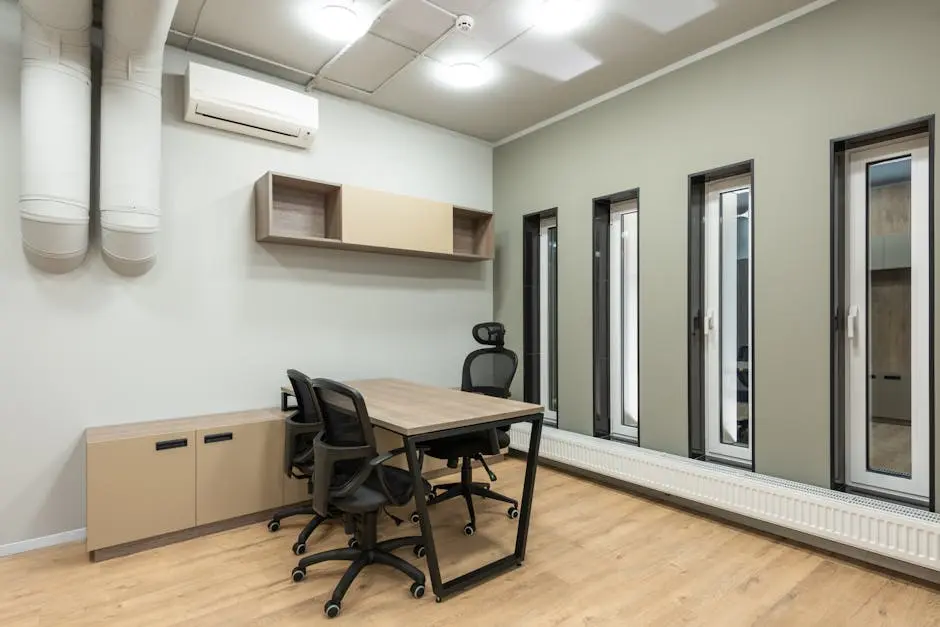
Understanding Ventilation Assessment
Ventilation assessment involves evaluating the airflow and exchange within a building to ensure that it meets health and safety standards. This process checks for any obstructions or inefficiencies that may compromise air quality. From detecting blocked vents to assessing the performance of air filters, a comprehensive ventilation assessment can identify issues that, if left unaddressed, could lead to significant problems down the line.
The importance of regular ventilation assessments cannot be overstated as they are critical for identifying potential risks early on. With rising concerns about air pollutants and airborne diseases, ensuring efficient air circulation is crucial. When businesses in Cincinnati make ventilation checks a priority, they’re not just complying with regulations—they’re investing in the health and productivity of their workforce.
Another aspect to consider is the technological advancements in ventilation systems. The latest systems offer sophisticated features that allow for precise control over the indoor environment, improving overall efficiency. By staying updated with these innovations, businesses can enhance their ventilation systems’ performance, saving money on energy bills and maintenance costs in the long run.
Importance of Air Quality in the Workplace
Good indoor air quality is essential for a healthy workspace. It directly affects the productivity and well-being of employees. Poor ventilation can lead to health issues, absenteeism, and decreased performance. According to studies, employees working in environments with better air quality experience fewer symptoms of illnesses such as headaches, fatigue, and respiratory problems, which in turn leads to increased productivity and morale.
Maintaining optimal air quality involves controlling pollutants and ensuring a steady flow of fresh air. Pollutants such as dust, chemical emissions from office equipment, and even volatile organic compounds (VOCs) from office furnishings can compromise air quality. Therefore, regular assessments are necessary to maintain a balance, preventing the buildup of these harmful substances and allowing clean air to circulate freely.
In the long term, businesses that invest in improving air quality can see significant returns. Not only do they reduce health-related costs, but they also boost their reputation as employers who care about their employees’ well-being. This can be a differentiating factor in retaining and attracting talent, especially in today’s competitive job market where potential employees consider workplace health as a critical criterion when choosing an employer.
Compliance with Health and Safety Regulations
Regular assessments ensure that businesses comply with local health and safety regulations. This compliance not only avoids legal issues but also promotes a trustworthy image to clients and partners. Businesses that consistently fail to meet these requirements risk facing penalties and loss of business credibility.
Additionally, adherence to health and safety standards through proper ventilation practices often results in improved indoor climate control. This enhances overall comfort in the workplace, cultivating a positive work environment that supports workflow and operations. Businesses that commit to high standards of health and safety are typically perceived as leaders in their industry, setting benchmarks for others to follow and creating a ripple effect of best practices across local and national sectors.
Energy Efficiency and Cost Savings
Effective ventilation systems contribute to energy savings by optimizing airflow and reducing the need for excessive heating or cooling. Regular assessments help identify opportunities for cost savings and increase system longevity. By resolving airflow inefficiencies, businesses can significantly cut energy expenses, providing a practical opportunity to reduce overhead costs while contributing to environmental conservation efforts.
Advanced ventilation solutions can be harnessed to utilize natural ventilation strategies where feasible, further lowering energy consumption. Incorporating building management systems with smart technologies can precisely control ventilation operations, ensuring optimal performance. Consequently, such foresight not only lowers energy use but also diminishes the carbon footprint of businesses.
A holistic approach to improving energy efficiency through ventilation systems can lead to substantial savings. Embracing energy-efficient designs and technologies not only optimizes the building’s energy expenditure, but enhances overall functionality as well. These savings, when operationally reinvested, can fund further improvements in other areas of the business operations, yielding ongoing benefits for Cincinnati businesses.
Conclusion
Performing regular ventilation assessments is a proactive approach to ensure safety, health, and efficiency in Cincinnati businesses. Prioritizing this practice demonstrates a commitment to maintaining a positive and sustainable business environment. For businesses eager to improve operational health and reduce unnecessary expenses, embracing a structured ventilation assessment protocol is paramount.
By integrating regular ventilation assessments into their facility management practices, businesses not only comply with legal standards but also display corporate responsibility and human care. Over time, this conscientious approach positively impacts employee morale and customer satisfaction, thereby fortifying the business’s market position. To learn more about how you can implement these changes, visit our homepage and discover our full range of services tailored for optimal business performance.
The Path to a Safer and Healthier Business Environment
In conclusion, regular ventilation assessment is not just a maintenance task but an essential part of business operations in Cincinnati. It helps ensure health, comfort, and energy efficiency. By prioritizing these assessments, businesses can create a safer and more pleasant environment, reflecting positively on both employees and customers.
Foster runs occupational health compliance programs end to end — testing, calibration, training, and records.
Talk to our compliance teamRelated guides
New Hire Compliance Clocks: Starting OSHA and DOT Tracking on Day One
What starts ticking the moment a new employee is hired under OSHA and DOT rules, and why tracking those clocks from day one beats catching up later.
5 min read Read →OSHA ComplianceOne Employee, Five Compliance Clocks: Tracking Overlapping Renewal Cycles
A single employee can carry an annual audiogram, an annual fit test, a biennial DOT physical, and a five-year BAT refresher at once. Here's why spreadsheets lose track.
5 min read Read →OSHA ComplianceBuilding an Annual Occupational Health Testing Calendar
How to build a single calendar for annual audiograms, fit tests, BAT recerts, and calibrations so no due date gets discovered by an inspector first.
6 min read Read →