What Is a Ventilation Assessment and Why Is It Important?
November 18, 2025 · 4 min read
By Jeff Schroeder, Foster Special Instruments
In our day-to-day lives, we rely on clean and breathable air to keep us healthy and productive. But how do we ensure that the air quality in our homes, workplaces, and other indoor spaces is up to standard? This is where a ventilation assessment comes into play. In this blog, we’ll explore what a ventilation assessment is, why it’s crucial, and how it can benefit both you and your environment.
What Is a Ventilation Assessment?
A ventilation assessment is a comprehensive evaluation of the airflow and air quality in a specific indoor environment. It typically involves analyzing the current systems in place to ensure they provide sufficient ventilation, identifying any potential issues, and recommending improvements if necessary. This process is integral to ensuring the health and safety of any building’s occupants.
The significance of a ventilation assessment goes beyond just the physical aspects of the building. It also encompasses a detailed understanding of how indoor air conditions impact our daily life. Given the importance of good air quality, especially in areas with high pollution levels, a thorough ventilation assessment can be a game changer for your building’s air health.
At the heart of a ventilation assessment lies the notion of health promotion and disease prevention. By ensuring that airflow systems are up to standard, potential airborne pathogens, allergens, and pollutants are less likely to circulate in the space, thereby reducing the risk of health issues.
Why Is Ventilation Assessment Important?
Without proper ventilation, indoor air can become stale and full of pollutants, which could lead to health issues such as allergies, asthma, and other respiratory problems. A ventilation assessment helps to ensure the air is continuously circulated and exchanged, reducing the risk of these issues. Proper ventilation can significantly improve the comfort and wellbeing of building occupants, contributing to better health outcomes.
Another reason a ventilation assessment is crucial is its impact on productivity and performance, particularly in work environments. Studies have shown that poor air quality can lead to fatigue, decreased concentration, and higher incidences of ‘sick building syndrome.’ By investing in regular ventilation assessments, you create an optimal environment that supports better focus and performance. Businesses that prioritize air quality often notice not only happier employees but also increased overall output.
Additionally, understanding the importance of ventilation assessments becomes even more evident when considering indoor air quality standards advocated by environmental agencies. Adhering to these standards ensures that the air people breathe indoors is as safe and clean as possible, minimizing the potential for health complications and excessive energy use.
How Does a Ventilation Assessment Work?
During a ventilation assessment, a qualified professional will inspect and evaluate the existing ventilation systems. This may include measuring airflow rates, checking filters, and examining HVAC systems to ensure they are operating efficiently and effectively. Proper assessment can help identify areas where energy efficiency can be improved, leading to cost savings in the long run.
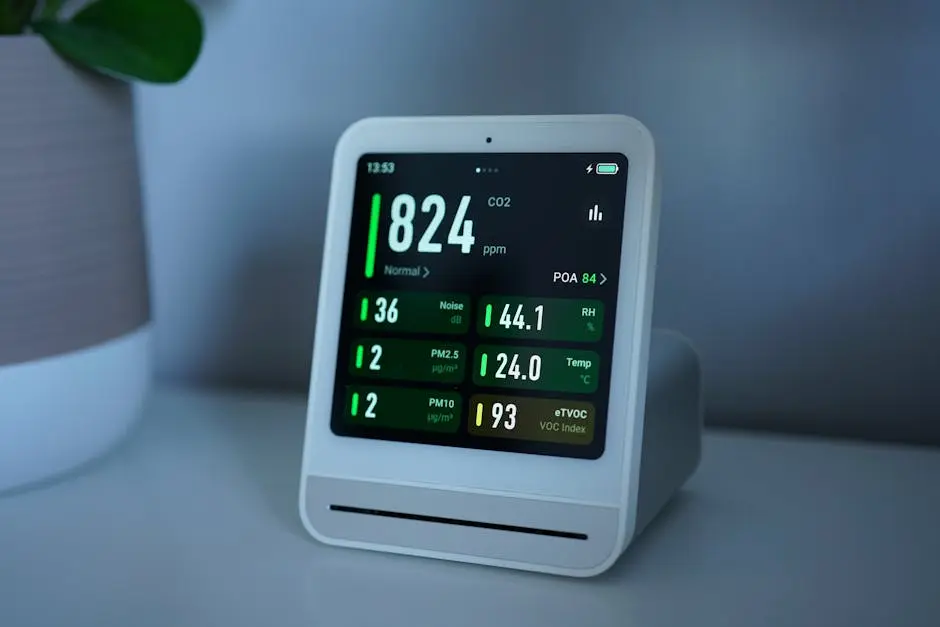
There are various tools and technologies involved in conducting a ventilation assessment. From advanced sensors that track air quality metrics to diagnostic approaches for detecting leaks and inefficiencies in system components, every detail is meticulously analyzed to present a comprehensive overview of a building’s air health.
Foster Special Instruments does not perform ventilation assessments. A qualified industrial hygienist or HVAC engineer does, using calibrated instruments and documented methods. Ask for the calibration records of the instruments used, since the readings are only as good as the equipment behind them.
Who Should Consider a Ventilation Assessment?
Anyone who owns or manages a building should consider a ventilation assessment. This includes homeowners, business owners, and facility managers. It’s especially crucial in older buildings where ventilation systems may not meet current standards. Regular assessments can prevent costly repairs and upgrades by addressing minor issues before they escalate.
Considerations for a ventilation assessment become even more significant in environments such as schools, hospitals, and restaurants, where the volume of people and turnover can significantly affect air quality. Industry standards recommend regular assessments for these high-traffic venues to ensure continuous compliance and safety for all occupants.
In summary, anyone concerned about air quality, health, and energy efficiency should seriously consider scheduling regular ventilation assessments. Whether you’re a small business owner or managing a sprawling facility, understanding your building’s ventilation status is a step toward securing well-being and peace of mind.
Ensuring Air Quality: The Importance of Ventilation Assessments
A ventilation assessment is more than just a routine check-up; it’s a vital component in maintaining a healthy indoor environment. By understanding its purpose and following recommended steps, you can ensure that the air you breathe is of the highest quality. Don’t wait until issues arise; consider scheduling a ventilation assessment to safeguard your health and wellbeing. For more insights on maintaining optimal air quality, feel free to explore our homepage.
Foster runs occupational health compliance programs end to end — testing, calibration, training, and records.
Talk to our compliance teamRelated guides
New Hire Compliance Clocks: Starting OSHA and DOT Tracking on Day One
What starts ticking the moment a new employee is hired under OSHA and DOT rules, and why tracking those clocks from day one beats catching up later.
5 min read Read →OSHA ComplianceOne Employee, Five Compliance Clocks: Tracking Overlapping Renewal Cycles
A single employee can carry an annual audiogram, an annual fit test, a biennial DOT physical, and a five-year BAT refresher at once. Here's why spreadsheets lose track.
5 min read Read →OSHA ComplianceBuilding an Annual Occupational Health Testing Calendar
How to build a single calendar for annual audiograms, fit tests, BAT recerts, and calibrations so no due date gets discovered by an inspector first.
6 min read Read →